
Quick Read
– Government to discuss land law changes on December 25.
– Community and state lands no longer granted freehold to churches.
– Changes aim to revise Article 64 of the land code.
– Justice Ministry raises concerns over lack of analysis in proposal.
– No impact on land already transferred to the Mother See.
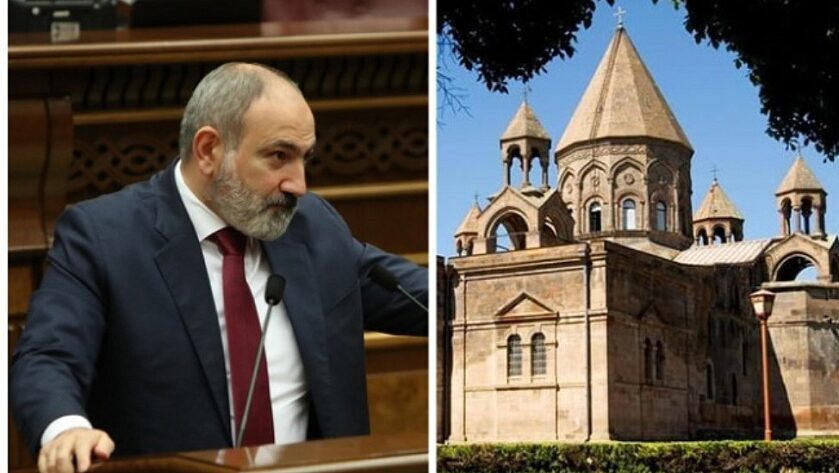
The Armenian government is set to discuss proposed amendments to the Land Code during its December 25 meeting. The draft legislation outlines significant changes regarding the property rights of churches, specifically the Mother See of Holy Etchmiadzin. According to the proposed amendments, community and state lands will no longer be granted as freehold properties to the churches but will instead be available only under the right of gratuitous use.
The initiative aims to revise Article 64 of the Land Code, reflecting a shift in how land is allocated for religious purposes. The rationale behind these changes, as presented by the Ministry of Territorial Administration and Infrastructure, stems from directives given by Prime Minister Nikol Pashinyan during a conference held in Tavush in April 2023. However, the Justice Ministry has voiced concerns about the proposal. They highlight a significant gap in the draft’s justification, noting the absence of an analysis of the current situation, the problems at hand, and the expected outcomes of these changes.
This move has sparked discussions within various sectors, especially given its implications for the relationship between church and state in Armenia. The government’s proposal does not appear to affect lands already allocated to the Mother See, which may alleviate concerns about potential disruptions for existing church activities.
The proposed changes reflect broader themes in Armenian governance, where the intersection of religious authority and state policy continues to evolve. As the government prepares for this meeting, stakeholders from various backgrounds will be watching closely to understand the implications of the proposed adjustments.
Given the historical significance of land ownership and religious rights in Armenia, the discussions surrounding these amendments are likely to provoke a variety of opinions. How will this shift affect the landscape of church-state relations? And what does it mean for communities that hold rich traditions deeply intertwined with their local churches? These are questions that may linger long after the government meeting concludes.
In conclusion, the proposed changes to the Land Code represent a pivotal moment in the regulation of property rights pertaining to religious institutions in Armenia. As the government seeks to redefine these relations, the absence of thorough situational analysis raises important questions about the potential effects on both the church and the communities it serves.